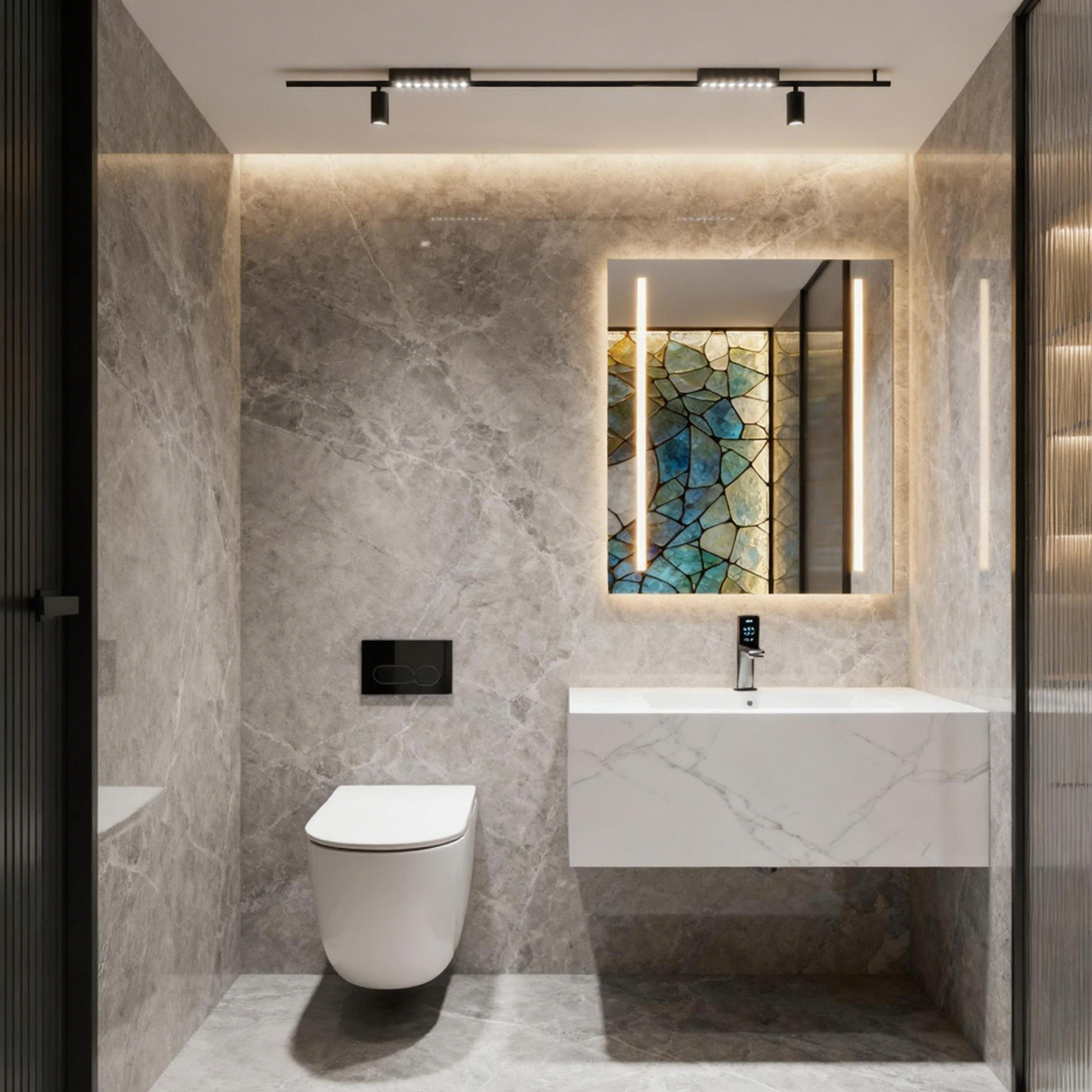
Wall hung toilets have become a popular choice in modern bathrooms due to their clean appearance and space-saving design. Among the most important technical differences is the flushing system. Direct flush and siphonic flush are the two most common options, each offering unique advantages when used in an anti-stain stable and durable space-saving quiet and powerful flushing water efficiency ceramic wall hung toilet. The following five points explain their strengths and limitations in detail.
1. Working Principle and Efficiency
A direct flush system uses gravity and water pressure to push waste straight into the drainage outlet. This makes the flushing action fast and effective. In contrast, a siphonic flush system relies on a siphon effect created by water flow, which pulls waste smoothly through the trapway. Direct flushing often delivers higher efficiency with less complexity, while siphonic flushing emphasizes smoothness and consistency.
2. Noise and User Comfort
Noise level is a major consideration, especially in residential bathrooms. Siphonic flush systems are generally quieter because the flushing process is continuous and less abrupt. Direct flush toilets may produce a stronger initial sound, but modern designs have greatly reduced this issue. A high-quality anti-stain stable and durable space-saving quiet and powerful flushing water efficiency ceramic wall hung toilet can meet strict noise expectations with either flushing method.
3. Water Consumption Control
Direct flush toilets are often designed to work effectively with a smaller amount of water, making them suitable for water-saving applications. Siphonic toilets may require a slightly higher water volume to maintain the siphon action. However, advanced ceramic wall hung toilets integrate optimized waterways that improve water efficiency without sacrificing flushing performance.
4. Cleanliness and Odor Prevention
From a hygiene perspective, direct flush systems reduce residue because waste is removed quickly. Siphonic flush systems, however, maintain a more stable water seal, which helps block odors from the drain. When combined with anti-stain ceramic glazing, both systems are easy to clean and maintain high sanitary standards.
5. Installation and Long-Term Durability
Direct flush mechanisms are structurally simpler, which can result in easier installation and fewer maintenance concerns over time. Siphonic systems involve more internal channels but provide a refined flushing experience. Selecting an anti-stain stable and durable space-saving quiet and powerful flushing water efficiency ceramic wall hung toilet ensures long-term reliability regardless of the flushing system.
Conclusion: Both direct flush and siphonic flush systems are well-suited to wall hung toilets. Direct flushing focuses on efficiency and durability, while siphonic flushing offers quieter operation and improved odor control. Understanding these differences helps users choose the most appropriate solution for modern, water-efficient bathrooms.
READ MORE: