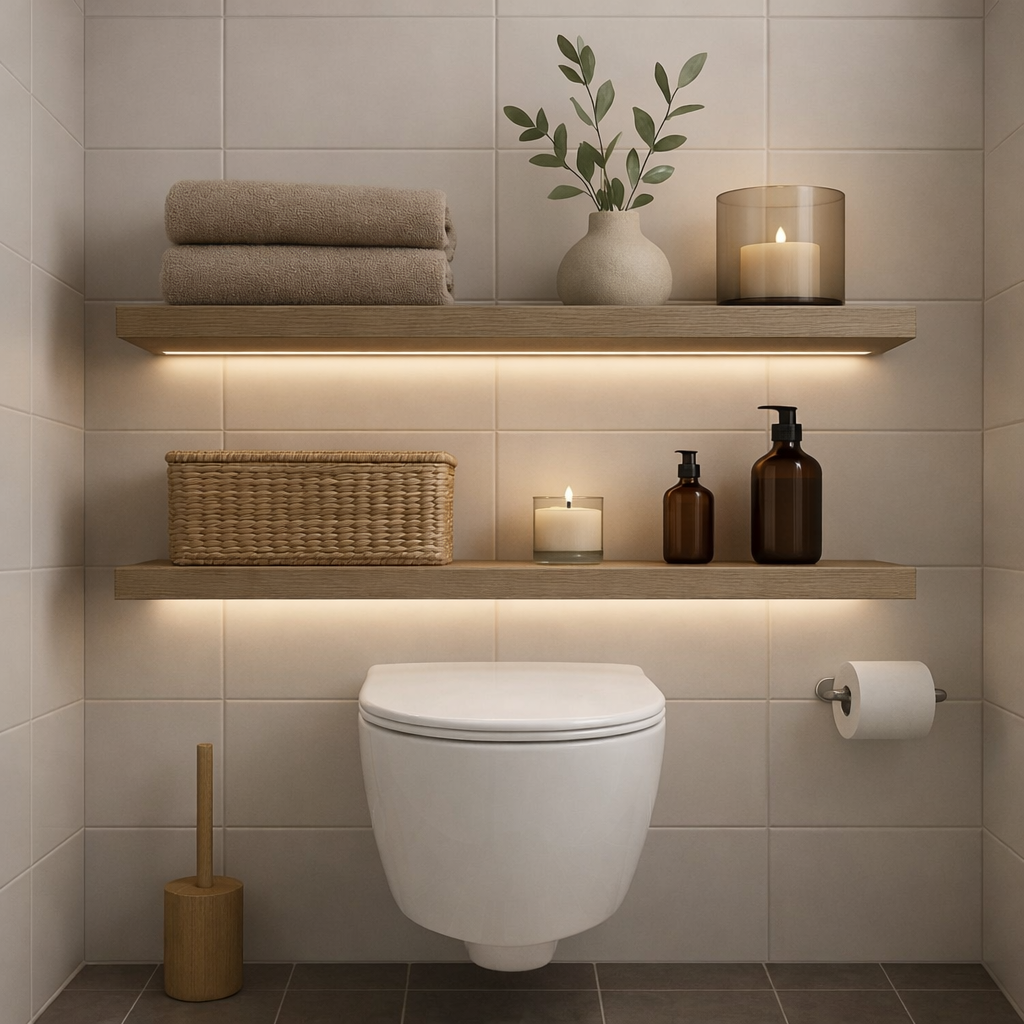
Wall-hung toilets have become increasingly popular in modern bathrooms due to their clean aesthetics, space-saving design, and ease of maintenance. However, unlike traditional floor-mounted models, a wall hung toilet requires precise planning, structural evaluation, and system coordination. Without standardized installation guidance, improper installation may lead to safety risks, water leakage, or long-term performance issues. This article provides a clear and professional installation framework focused on wall load-bearing capacity and concealed cistern compatibility.
1. Evaluating Wall Load Capacity Before Installation
The first and most critical step in installing a wall-hung toilet is assessing the wall’s load-bearing capability. Since the toilet and user weight are transferred to the wall-mounted frame, the wall must be structurally sound. Concrete or reinforced masonry walls are ideal, while lightweight partition walls require additional steel frames.
Professional installation guidance recommends verifying that the wall can support at least 400 kg when combined with a certified mounting frame. This step ensures long-term compatibility between the wall structure and the toilet system, preventing deformation or loosening over time.
2. Selecting a Compatible Concealed Cistern System
A concealed cistern is an integral component of any wall-hung toilet system. The cistern must align with the installation frame, flushing mechanism, and wall depth. Incompatible cisterns may cause inefficient flushing or difficult maintenance access.
To ensure system compatibility, installers should select cisterns that meet international standards and are specifically designed for wall-hung applications. Proper installation guidance also emphasizes positioning the cistern at the correct height to optimize flushing performance and user comfort.
3. Standardized Installation Process and Key Measurements
Standardization is essential for reducing installation errors. A professional installation process includes precise measurements for frame height, drain outlet alignment, and water inlet positioning. Following standardized installation guidance allows installers to maintain consistency across projects and ensures that each wall hung toilet performs as intended.
Key measurements should always be checked twice before wall closure. This guarantees ongoing compatibility between the toilet, drainage system, and concealed components.
4. Long-Term Maintenance and Accessibility Planning
Another important aspect often overlooked is future maintenance. Access panels must be planned in advance to allow servicing of the concealed cistern without damaging the wall. Proper installation guidance ensures that maintenance access does not compromise the minimalist design of a wall hung toilet.
By integrating standardized planning with structural and system considerations, installers can deliver safer, more reliable bathroom solutions.
READ MORE: