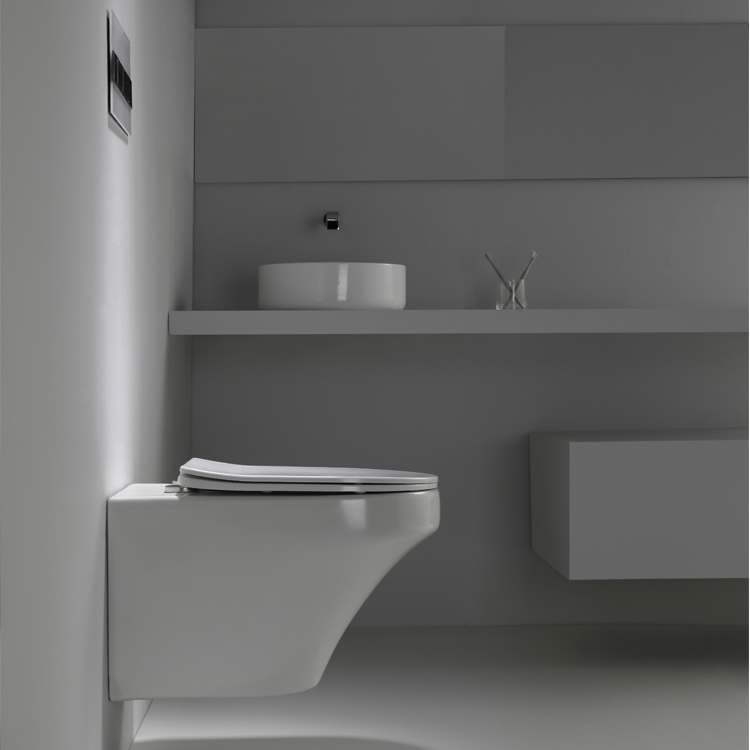
The popularity of the wall-hung toilet in Germany continues to rise as homeowners seek sleek, modern, and efficient bathroom solutions. While the installation process is more technical than that of a traditional toilet, it offers long-term benefits in terms of aesthetics, hygiene, and water efficiency. Here’s a practical guide to installing wall-hung toilets specifically tailored for German standards and construction practices.
1. Pre-Installation Planning
Before beginning installation, it’s crucial to plan according to the bathroom’s layout, wall type, and plumbing access. German building codes, such as DIN 1986-100, require precise drainage and load-bearing checks. Ensure the selected wall can support a load of at least 400 kg and that there’s enough space to house the in-wall cistern.
The installation area should be clearly marked, with measurements taken for the carrier frame, flush plate, and toilet bowl alignment. Most wall-hung toilets are installed at a seat height of 42 cm, but the frame height is adjustable for user comfort or accessibility needs.
2. Installing the Carrier Frame
The carrier frame is the core of any wall-hung toilet system. In Germany, brands like Grohe and Geberit provide frames compatible with both masonry and drywall construction. The frame is bolted to the floor and wall for maximum stability.
Ensure that the waste outlet and water inlet are securely connected. The cistern is typically insulated to minimize condensation and noise—features highly valued in German homes.
Flush plates must be installed in accessible locations for maintenance, as they serve as entry points to the cistern. Check for level alignment at every step using a spirit level.
3. Connecting the Plumbing
Water and waste pipe connections must comply with local standards. In Germany, 90mm waste pipes are common, and the flushing mechanism often includes dual-flow options for water efficiency.
After plumbing connections, pressure testing is conducted to detect leaks. Only certified plumbers should perform this step to ensure compliance with German water safety laws.
Before closing the wall, all connections should be checked for proper sealing and insulation. Maintenance access via the flush plate should remain unobstructed.
4. Mounting the Toilet Bowl
Once the wall surface is tiled or finished, the wall-hung toilet bowl is mounted onto the frame’s threaded rods. It is vital to use the manufacturer’s recommended torque to secure the bowl—over-tightening can crack the ceramic.
A sealing gasket is fitted between the toilet and the wall to prevent moisture penetration. The bowl should be aligned carefully with the frame's support arms.
Lastly, the flush plate is installed, and the toilet is tested for proper flush and water fill functions.
5. Final Inspection and Use
Once installed, the system is inspected to ensure smooth operation. The wall-hung toilet should sit firmly without movement, flush silently, and refill efficiently.
Regular maintenance is minimal due to the toilet’s elevated design, which prevents grime build-up around the base. The result is a clean, elegant bathroom fixture suited to Germany’s demanding building and aesthetic standards.
READ MORE: