The Differences Between Wall-Hung Toilets and Traditional Floor-Mounted Toilets
When it comes to choosing the right toilet for your bathroom, the decision often comes down to two main types: wall-hung toilets and traditional floor-mounted toilets. Each option has its own features, advantages, and considerations. Understanding their differences can help you select the ideal solution for your needs, especially if you are looking for an anti-stain, stable and durable, space-saving, quiet and powerful flushing, water efficiency, and a ceramic wall hung toilet.
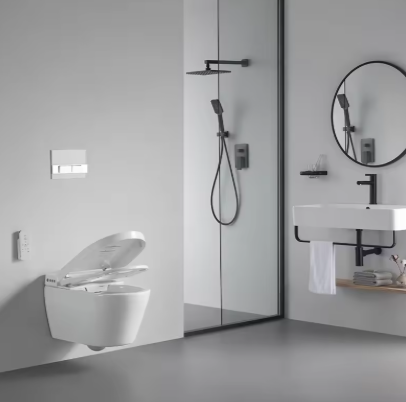
1. Installation and Design
Wall-hung toilets are mounted directly onto the wall, with the tank concealed within the wall cavity. This sleek design creates a modern, minimalist appearance and is highly space-saving—perfect for smaller bathrooms or contemporary homes. Traditional floor-mounted toilets, on the other hand, have a visible tank and sit directly on the floor, often occupying more room.
With a ceramic wall hung toilet, you achieve a streamlined look that makes cleaning the floor much easier. The anti-stain finish ensures the toilet remains spotless with minimal effort, and its stable and durable construction offers long-term reliability.
2. Space Utilization
One of the most attractive features of a wall-hung toilet is its space-saving benefit. Because the tank is hidden and the toilet bowl is elevated, the bathroom feels larger and less cluttered. This is particularly valuable for urban apartments or compact powder rooms. Floor-mounted toilets, while traditional and familiar, take up more visible space and can make small bathrooms feel crowded.
A ceramic wall hung toilet combines water efficiency with clever design, utilizing every inch of available space without sacrificing functionality.
3. Flushing Technology and Noise
Many homeowners are now prioritizing quiet and powerful flushing systems. Wall-hung toilets often come equipped with advanced flush technology that ensures powerful performance while minimizing noise. The stable and durable mounting system also helps absorb vibrations, resulting in a quieter experience.
The anti-stain surface on ceramic wall hung toilets also means that stains and residues from flushing are less likely to stick, maintaining a pristine appearance. Floor-mounted toilets may not always offer the same level of quiet and powerful flushing, and their exposed base can sometimes be harder to clean.
4. Water Efficiency and Maintenance
Modern wall-hung toilets are typically designed with water efficiency in mind, often featuring dual-flush systems that help conserve water. This makes them an eco-friendly choice compared to some older floor-mounted models. A ceramic wall hung toilet, for example, is engineered for low water usage without compromising flush performance.
Maintenance is simplified with anti-stain surfaces and easy access beneath the toilet for cleaning. Although floor-mounted toilets have been the standard for decades, they can be less efficient and harder to keep clean, especially around the base.
5. Cost and Installation Complexity
It’s important to note that wall-hung toilets may require more complex installation, especially if you are retrofitting an existing bathroom. The concealed tank and mounting frame need to be integrated into the wall, which can add to the initial cost. However, many homeowners find the long-term benefits—anti-stain protection, stable and durable construction, space-saving, quiet and powerful flushing, and water efficiency—outweigh the upfront investment.
Conclusion
In summary, wall-hung toilets and traditional floor-mounted toilets each offer unique benefits. If you value anti-stain surfaces, stable and durable fixtures, space-saving design, quiet and powerful flushing, and water efficiency, a ceramic wall hung toilet is an excellent choice for modern bathrooms. Consider your space, budget, and lifestyle needs when making your decision.